Human Company, an Italian group and key player in the hospitality sector, and Legambiente, the main Italian environmental association, have announced a national partnership dedicated to the themes of sustainable tourism and territorial enrichment.
The first result of the shared development process is a joint paper, born from the data of the latest edition of the "Tourism & Sustainability" Observatory, created by Human Company in collaboration with BVA Doxa. The document is intended to draw the attention of public decision-makers to evidence, trends and operational proposals in order to promote a more sustainable tourism model, which is balanced and capable of generating widespread value for territories and communities.
news - 01-07-2026
Sustainable tourism: Human Company and Legambiente enter into a dialogue for the sector
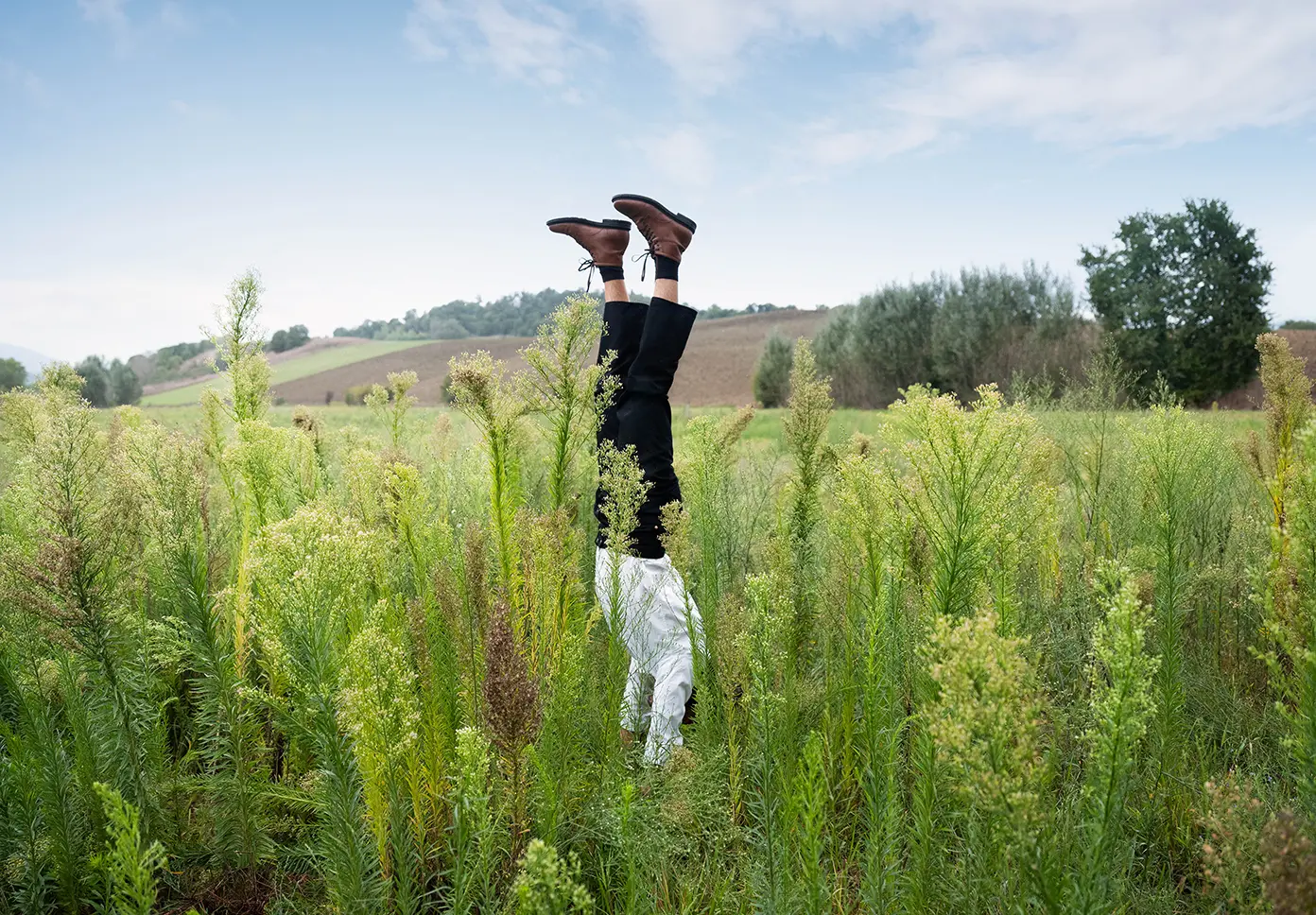
Dialogue with institutions and stakeholders will lead to a joint document aimed at identifying priorities, promoting a more balanced distribution of tourism flows, supporting the ecological transition and enhancing local areas and communities.
An institutional discussion on the future of tourism
The institutional round table, held on 30 June 2026 in Rome, marked one of the key stepping stones on the path forged by Human Company and Legambiente, allowing the entities to collect useful contributions and reflections for the creation of the final document. The meeting was attended by institutional and sector representatives who shared reflections and experiences regarding the main challenges that are redefining the sector, from pressure on the most frequented destinations to environmental sustainability, through to new ways to enjoy the land.
The contributions that emerged during the discussion will further enrich the final form of the paper, highlighting the need to develop tools capable of promoting a more balanced distribution of tourist flows in terms of both time and space,
enhancing the local communities and territories with better integrated forms of tourism. In this scenario, open-air and slow tourism have emerged as possible levers to establish a new balance with the land, championing more conscientious experiences and more sustainable relationships between visitors and their destinations.
Three priorities for a new sustainable tourism agenda
To date, the reflections that have emerged within the process have identified three priority areas to support the evolution of the Italian tourism sector.
The first consideration concerns the role of tourism as a lever for territorial development. Outdoor tourism and widespread hospitality throughout the territory can in fact contribute to a more balanced distribution of tourist flows, highlighting inland areas, villages and less frequented destinations and generating more widespread economic benefits.
The second priority concerns the tourism sector’s contribution to the ecological transition. The issues that emerged included the need to strengthen investments in sustainability, energy efficiency, renewable energy and the circular economy, while also promoting tools to make sustainable behaviours easier and more accessible to travellers.
The third area concerns the governance of tourism flows. The discussion highlighted the importance of supporting promotional activities with planning and management tools targeted at reducing seasonality, showcasing alternative routes and supporting a more balanced distribution of tourists in terms of destinations and times of the year.
Demand for more conscientious tourism is growing
This partnership was established in a specific context, which has seen travellers grow increasingly interested in sustainable tourism models. According to the latest edition of the "Tourism & Sustainability" Observatory created by Human Company in collaboration with BVA Doxa, 80% of Italian travellers stated that they are aware of the impact that their choices can have on the destinations visited, 75% habitually practice outdoor tourism, and 95% consider it possible to adopt sustainable practices even during urban holidays. The research also revealed that open-air sites are perceived among the most sustainable accommodation solutions (84%).
This data showed a growing willingness among travellers to adopt more responsible behaviours, underlining the existence of a demand oriented towards authentic and sustainable experiences, more integrated with the local area.
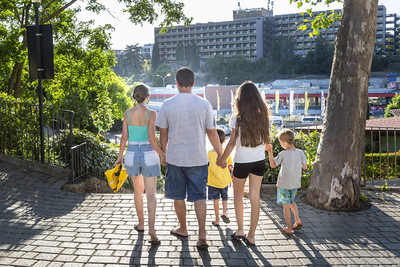
A shared path forged by Human Company and Legambiente
At the core of the collaboration between the two entities is a common vision: to promote a tourism model devoted to developing hospitality, guided by the belief that accommodation sites and the territories they call home can coexist in a balanced and sustainable way.
The partnership will be further developed through discussions with institutions and sector stakeholders; updates to the analyses and reflections explored in the paper; and Human Company’s involvement in some of the main national campaigns promoted by Legambiente, including Puliamo il Mondo, Festa dell'Albero and Festambiente. Additionally, the project involves awareness-raising activities and information on environmental issues, initiatives dedicated to active citizenship, and projects targeting the site guests and local communities.
The initiative represents the first step along a shared path to develop a long-term vision on sustainable tourism in Italy, fostering dialogue between institutions, companies, associations and territories, and promoting policies capable of balancing economic growth, environmental protection and quality of life of local communities.